
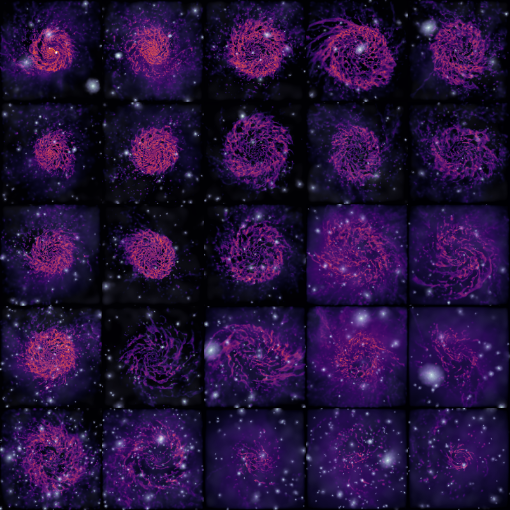
Emulating the Universe with the ARTEMIS simulations
Entry prepared by S. Brown. A big question in Astronomy today is understanding how the galaxies we observe form and evolve over time. In our best models, galaxies like our own Milky Way grow by both forming their own stars and accreting many smaller galaxies. These two types of stars…
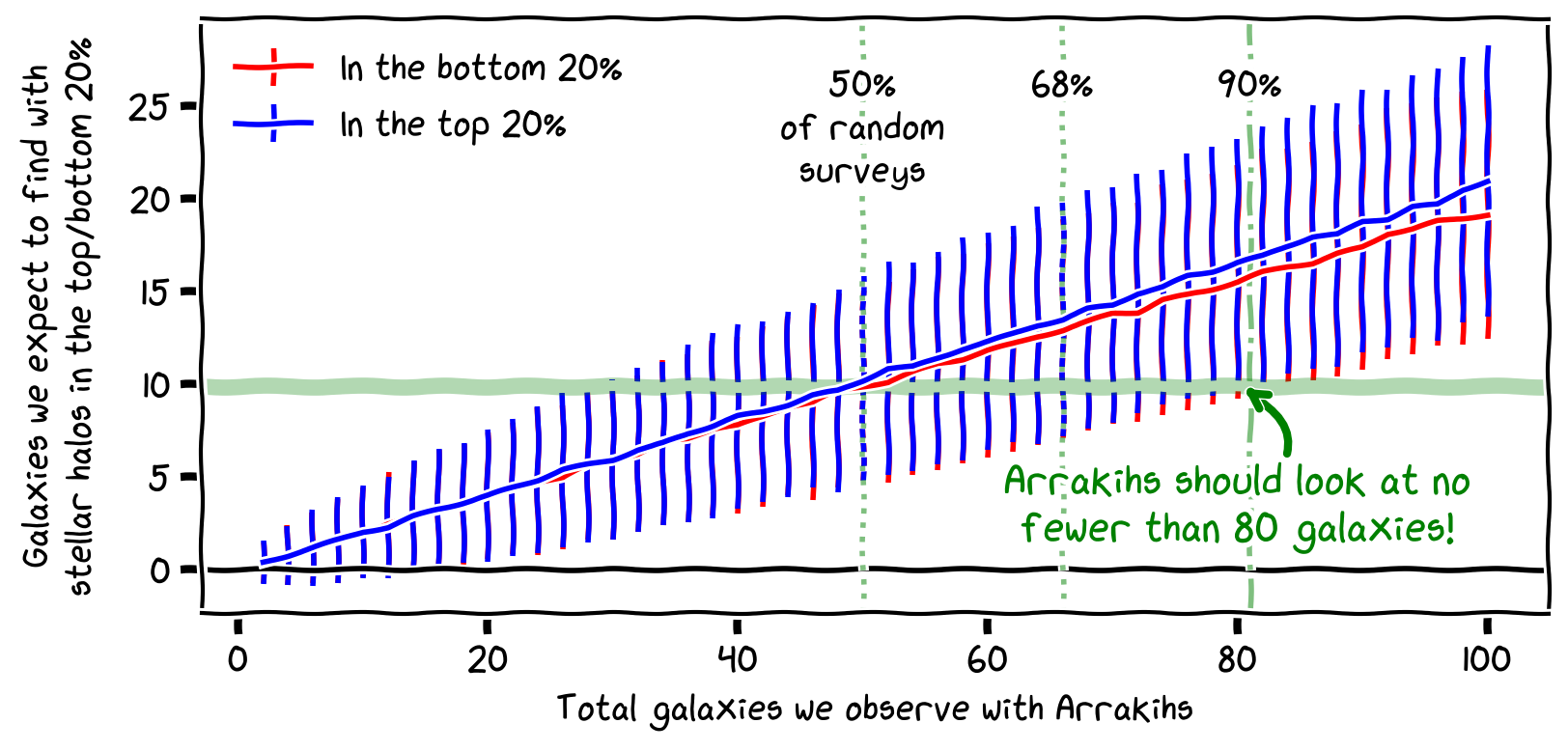
How many galaxies should ARRAKIHS observe?
Entry prepared by A. Cooper. December 19, 2025 ARRAKIHS will explore galaxy stellar halos – huge but very tenuous clouds of stars around galaxies, built up as their gravity shreds apart their smaller neighbours. This first graph shows our predictions for the masses of stellar halos around galaxies similar to…
Response to the paper Borlaff et al. 2025 published in Nature
The following is an official statement issued in response to the recent paper by Borlaff et al. December 5, 2025 The ARRAKIHS Mission Consortium (AMC) to report a significant error in the paper by Borlaff et al. published in December 3 and widely covered through Nature’s press release. The paper…
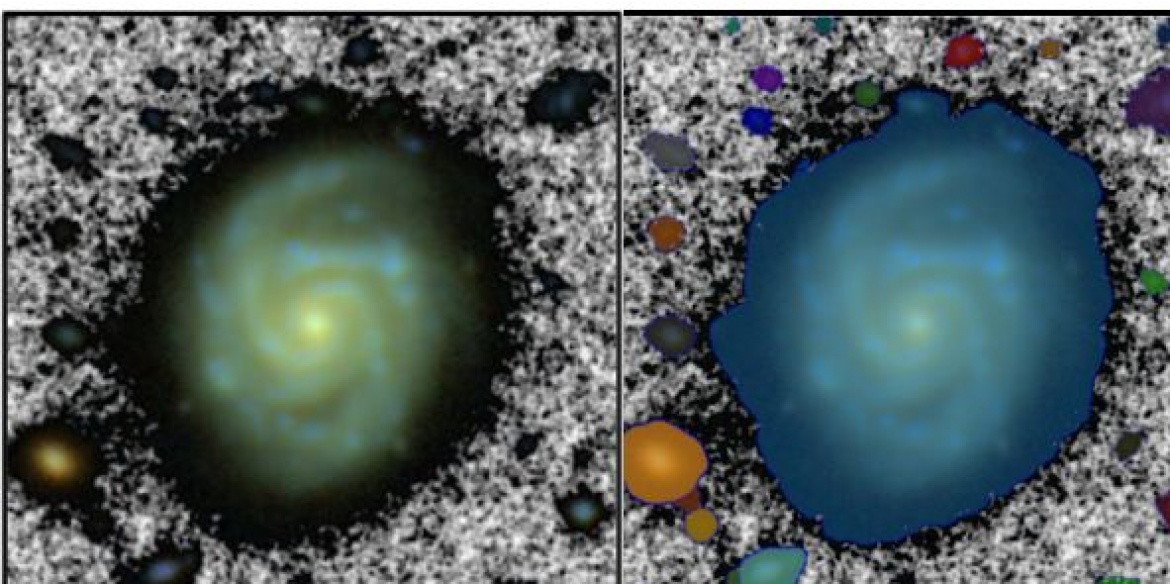
A New AI Tool to Map the Outskirts of Galaxies
Determining the size of a galaxy requires identifying the point at which its light distribution shows a clear decline, a feature often referred to as its truncation. This boundary offers valuable information about how galaxies form and evolve. Traditionally, measuring this edge has been a time-consuming task that requires detailed visual…
A major boost for ARRAKIHS: The HARKONENS Project
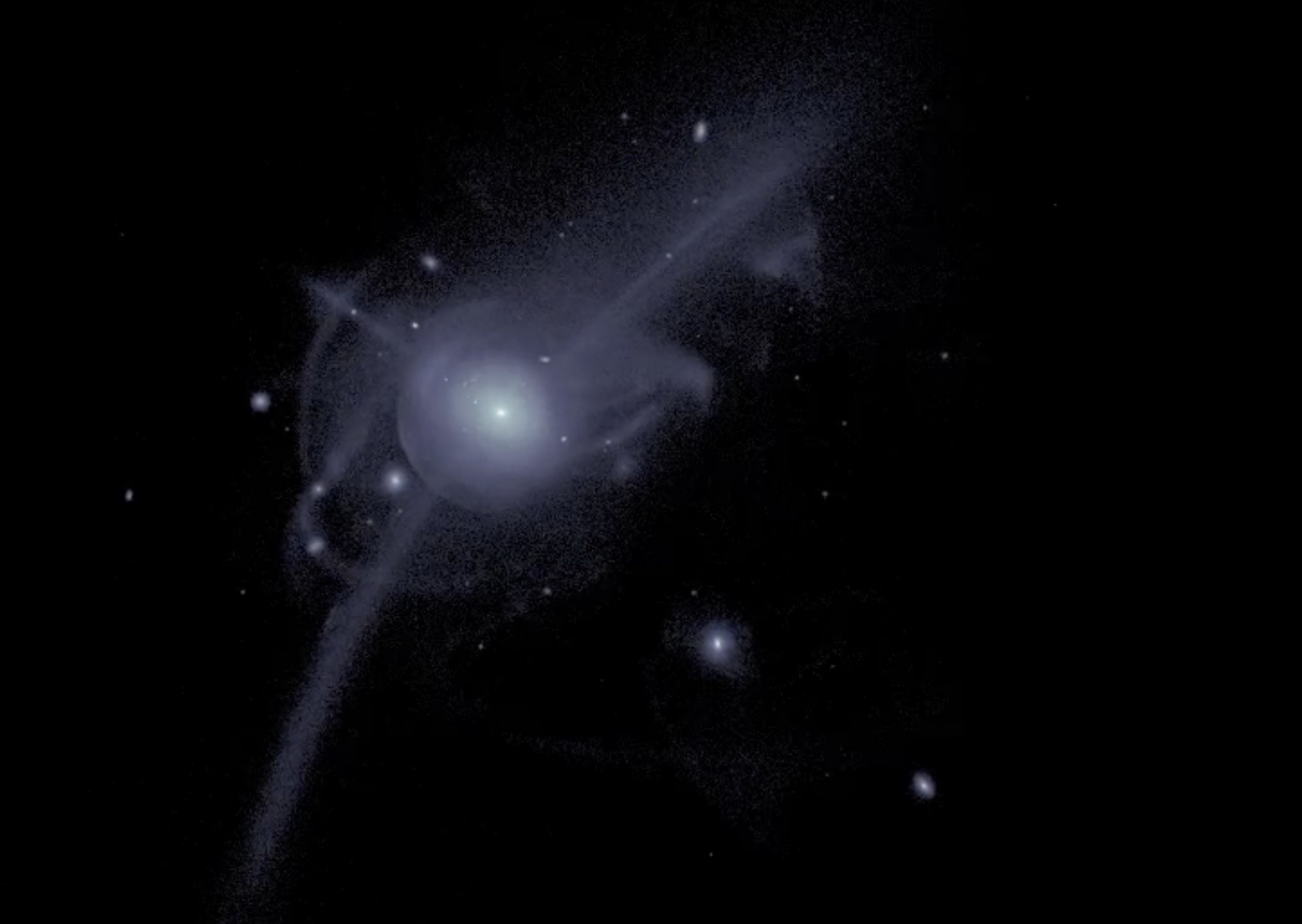
We’re thrilled to announce a major milestone for the ARRAKIHS Project. The HARKONENS Project is led by Santi Roca Fábrega (Lund University, Sweden) in close collaboration with Corentin Cadiou (IAP, France), has been awarded an extraordinary 234 million CPU hours on the EuroHPC supercomputing infrastructure. Many members of the COS team are actively involved,…
ARRAKIHS Presented at the Spanish Space Agency (AEE)
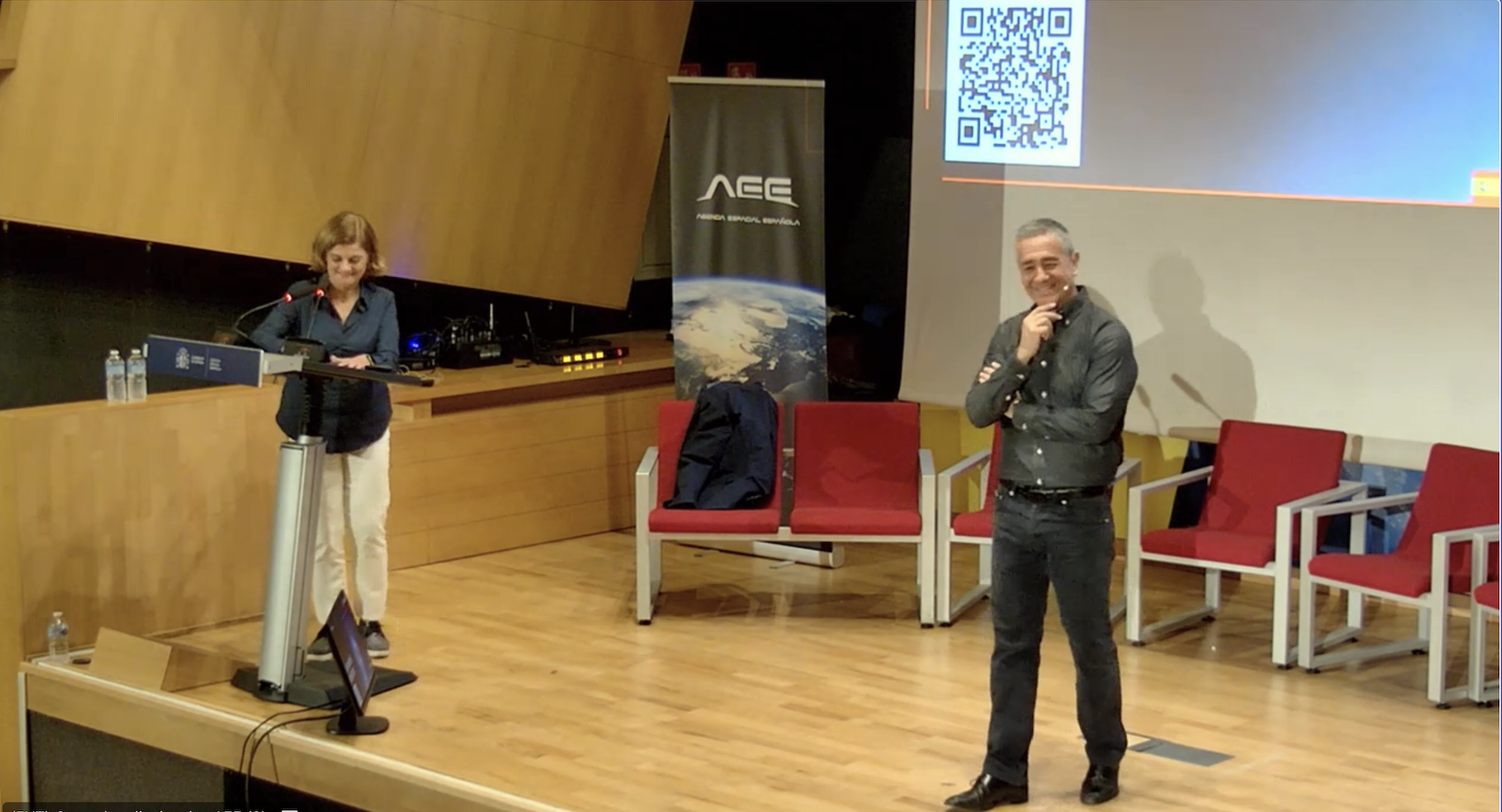
The ARRAKIHS mission was officially presented this week at the headquarters of the Spanish Space Agency (AEE), in an event that brought together representatives from Spain’s scientific and industrial space community. The presentation, delivered by Professor Rafael Guzmán (IFCA, CSIC-UC), Principal Investigator of ARRAKIHS, offered an overview of the mission’s…
The AGORA High-Resolution Galaxy Simulations
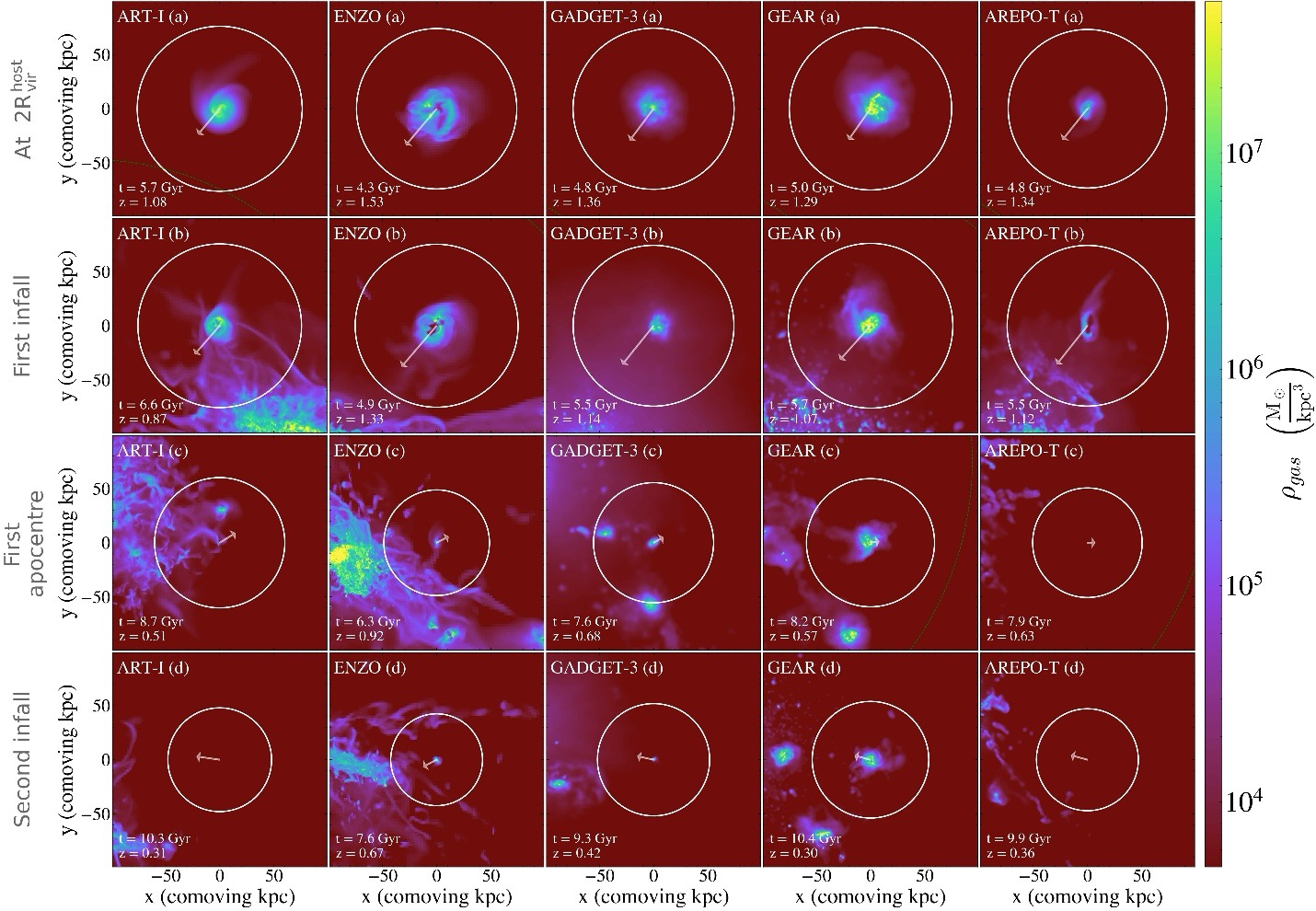
The standard cosmological model, known as Lambda Cold Dark Matter (ΛCDM), predicts that structures such as galaxies form hierarchically. In this framework, larger galaxies grow by accreting smaller ones, which are the first systems to form and act as the building blocks of the Universe. However, the accretion of dwarf…
ARRAKIHS begins its research at the Javalambre Astrophysical Observatory
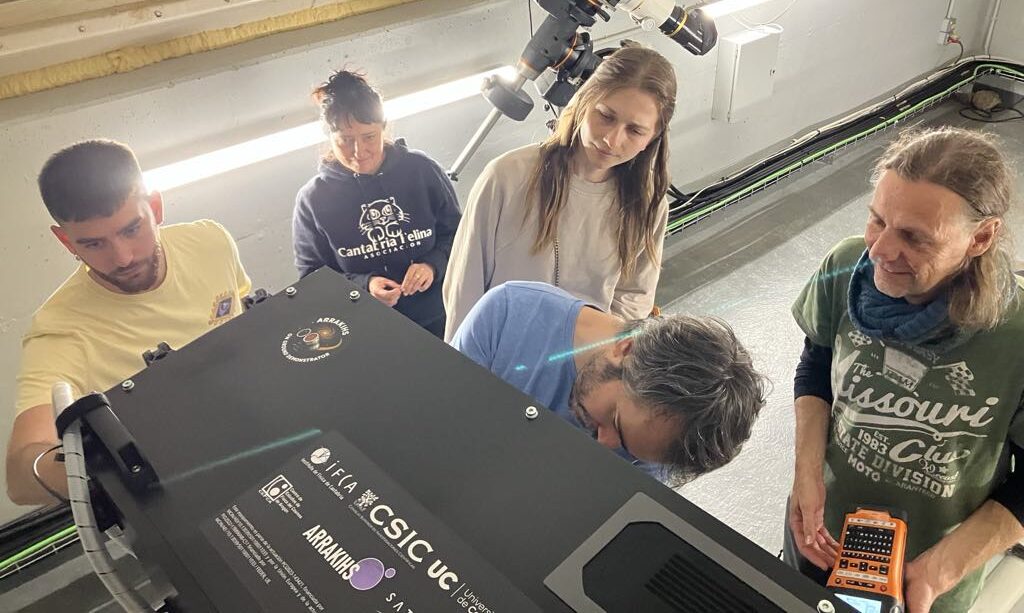
A hands-on training campaign with the iSIM-170 camera brings the ARRAKIHS mission closer to readiness, validating systems and protocols ahead of launch. As part of preparations for ESA’s ARRAKIHS mission, team members recently completed a key technical training campaign at the Javalambre Astrophysical Observatory (OAJ) in Spain. The purpose…

Extragalactic Stellar Tidal Streams: Observations meet Simulation
Today, the prevailing model of the Universe is Lambda Cold Dark Matter (ΛCDM), which explains the evolution of the cosmos from its origin in the Big Bang to the present time. ΛCDM predicts that the universe is composed of Dark Energy (DE, 68.3%), which is responsible for the accelerating expansion…
ARRAKIHS IIDAR Workshop at Satlantis
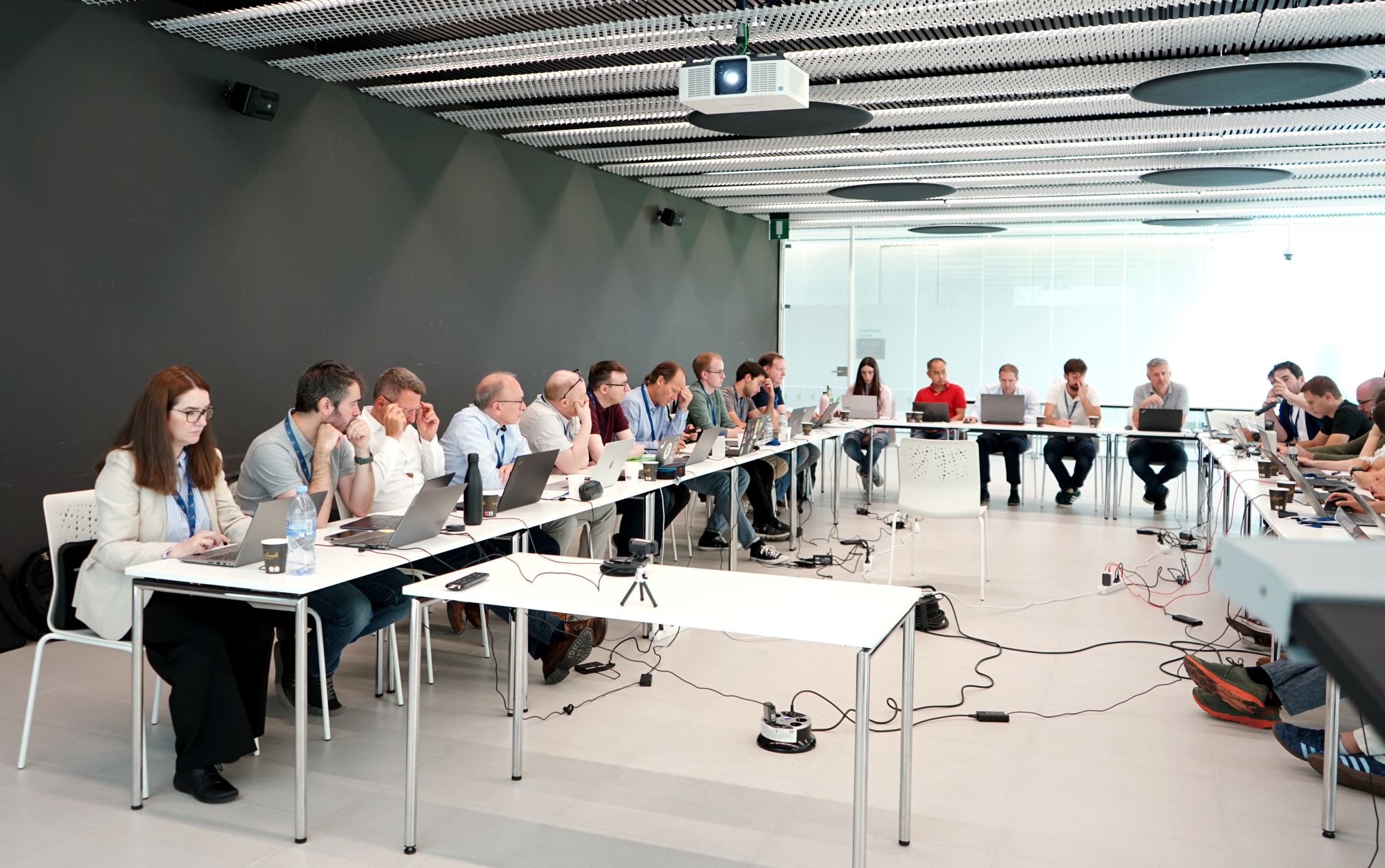
From June 2nd to 6th, the ARRAKIHS mission took an important step forward with the Instrument Intermediate Design and Analyses Review (IIDAR), hosted by Satlantis at its headquarters in Leioa, Basque Country (Spain). This technical workshop marked a key milestone ahead of the Preliminary Design Review (PDR), allowing the consortium…